
Hidden in the serene hills of Munnar lies Yellapetty, a charming estate that perfectly captures the essence of life amidst nature. The name “Yellapetty” comes from Tamil, where Yella means “last” or “final” and petty means “village.” True to its name, Yellapetty is often referred to as the “last estate,” sitting gracefully on the border between Kerala and Tamil Nadu in the majestic Western Ghats.
Yellapetty is a small yet picturesque village, embraced by rolling tea plantations, lush fields, and mist-kissed valleys. Its hills lie along the route to the famous Top Station, the highest point in Munnar on the Munnar–Kodaikanal road. The 35-kilometre drive to Yellapetty is an experience in itself — an hour-long journey through velvety tea gardens, winding roads, and tranquil waters of Kundala and Mattupetty dams.
The village landscape is a beautiful mix of vibrant farmlands and pristine tea estates. Here, you’ll find humble worker quarters, places of worship, and a government school that serves the local community. Agriculture thrives in this fertile region, with farmers growing potatoes, carrots, cabbage, and butter beans. Traditional plowing with cattle still continues, giving the place a timeless rural charm.
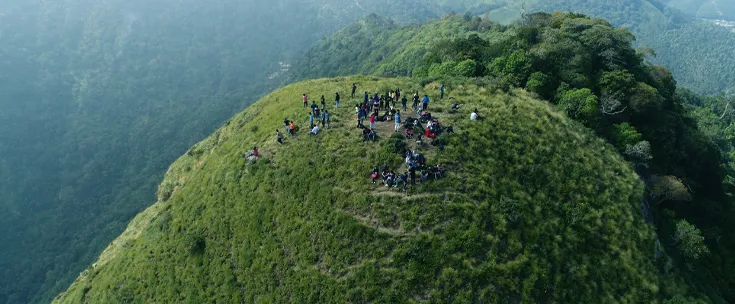
Yellapetty is not just a feast for the eyes; it’s a haven for adventurers. The estate’s location amidst verdant valleys, sweeping tea plantations, and rugged mountain trails makes it a trekking paradise. Whether you’re an avid hiker or someone seeking a quiet escape into nature, the trails here reward you with panoramic views of the Western Ghats, misty slopes, and vibrant countryside scenes.
The trip to Yellapetty is as rewarding as the destination itself. As you ascend through winding paths lined with tea bushes, cross sparkling streams, and gaze at mist-laden peaks, every turn feels like a postcard brought to life. It’s a perfect getaway for nature lovers, trekkers, photographers, and anyone who wants to experience the raw beauty of Munnar.
Yellapetty Estate is more than just a place — it’s an experience where the harmony of tea gardens, farmlands, and mountain breezes makes every visit unforgettable. Whether you’re here for trekking, photography, or simply to breathe in the calm of the Western Ghats, this “last village” will leave you with memories that linger long after you leave.
For the best experience, visit during winter or post-monsoon when the landscape is at its most vibrant.